
Today’s modern homeowners want to find effective ways to cut costs on their energy bill, create a more comfortable living environment, and lead a more sustainable lifestyle. As a means of combining convenience with efficiency, smart energy-saving technologies are becoming a must-have component of today’s way of life. These solutions include smart thermostats and energy-efficient light fixtures, all of which help the average household use less electricity while providing a comfortable temperature. The smart home energy solutions that you invest in will not only help you save money on your utility bill but will also help improve the planet.
One of the easiest methods to start saving energy
is to update your existing lighting system to LED smart bulbs. Traditional incandescent light bulbs tend to use a large volume of electricity and generate too much excess heat. When you replace traditional bulbs with LED smart bulbs, you can achieve substantial reductions in energy usage. Smart lighting systems also offer homeowners the ability to control the degree of brightness, schedule light usage, and turn off lights via a mobile app so that they don’t use electricity when there’s no one in a room. Motion sensors and automatic dimmers increase the efficiency of the system because they adjust the lighting based on the amount of activity and the amount of natural daylight present.
Another smart energy-efficient
product for your home is a smart thermostat. Your home’s heating and cooling system represents a significant percentage of the total energy consumed by the home. A smart thermostat will learn your daily activities and automatically change the temperature in your home so that the temperature is always at an optimal level for your comfort.Appliances that save energy also help cut electricity use in homes. Newer types of refrigerators, laundry machines, dishwashers, and air conditioners all have been built to provide better performance while consuming much less electricity. Smart “connected” appliances take this feature to another level with options for you to remotely check their performance and control their operation using automated features, such as running a smart washing machine at off-peak hours when the cost of using the electric grid is much lower than at peak hours or a smart refrigerator that only cools to the minimum level necessary based on how often you use it.
Good insulation is another major contributor to saving energy
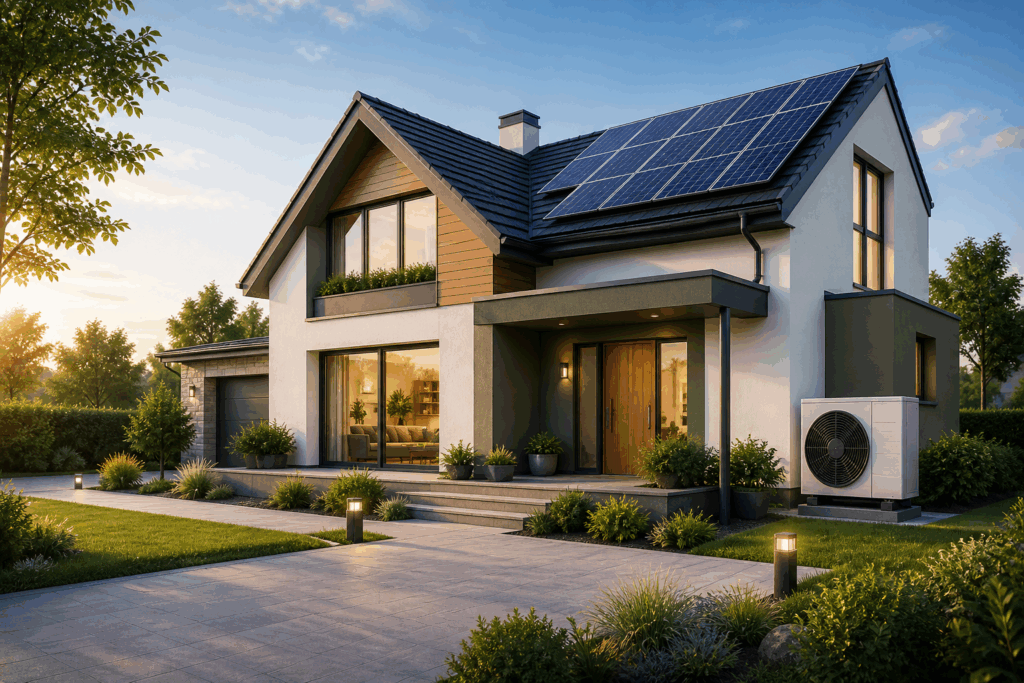
Even if you have the best smart devices, your home will not be able to operate with maximum efficiency if it frequently loses heat during the winter months or loses cold during the summer months. Proper insulation in your home’s walls, roof and windows helps keep your house at the correct temperature and reduces the amount of energy required to heat or cool it. In addition, sealing gaps in your home around windows and doors reduces air leakage, thereby also reducing energy waste and improving your comfort. Together, good insulation and smart climate controls work to create an energy efficient home.Solar energy options for homeowners who want to save money in the long run are becoming more popular. Solar panels convert sunlight to electricity and reduce the need for traditional energy sources. When combined with smart energy management systems, homeowners can monitor in real time how much electricity is being produced and consumed. Certain smart energy management systems even store excess electricity for use at a later time.
Energy is wasted by appliances that continue to draw power when they are turned off. This phenomenon is referred to as phantom energy use. Google Smart Power Strips automatically turn off power to devices that are not currently being used; thus, you will not waste energy. Adjusting a small item, such as a smart power strip, can significantly lower your monthly energy bill, especially if you have multiple electronics or an entertainment system.
Water conservation contributes to the overall efficiency of energy usage. Smart water heaters, low-flow water fixtures, and leak detection systems reduce both water and energy consumption. Smart water heaters enable you to heat water only when you need it, rather than using energy each day to heat water throughout the day. Leak detection systems alert homeowners of any unusual water usage so that they may prevent wasting water and/or causing damage.
FAQs
1.One of the benefits of using smart home technology
is the ability to monitor and manage your energy usage via a single application. Smart home hubs connect multiple smart devices together and allow you to see how much energy you are consuming in real-time. You can use this information to see which of your appliances use the most power and to make informed decisions to reduce your electricity consumption. The automated functions of smart devices also make performing your daily tasks easy and convenient, which also help you practice energy efficiency.
2. Do smart energy-saving solutions really reduce electricity bills?
Yes, smart energy-saving solutions can significantly lower electricity bills. Devices such as smart thermostats and energy-efficient appliances reduce unnecessary energy consumption, while automation features help homeowners use power more efficiently.